
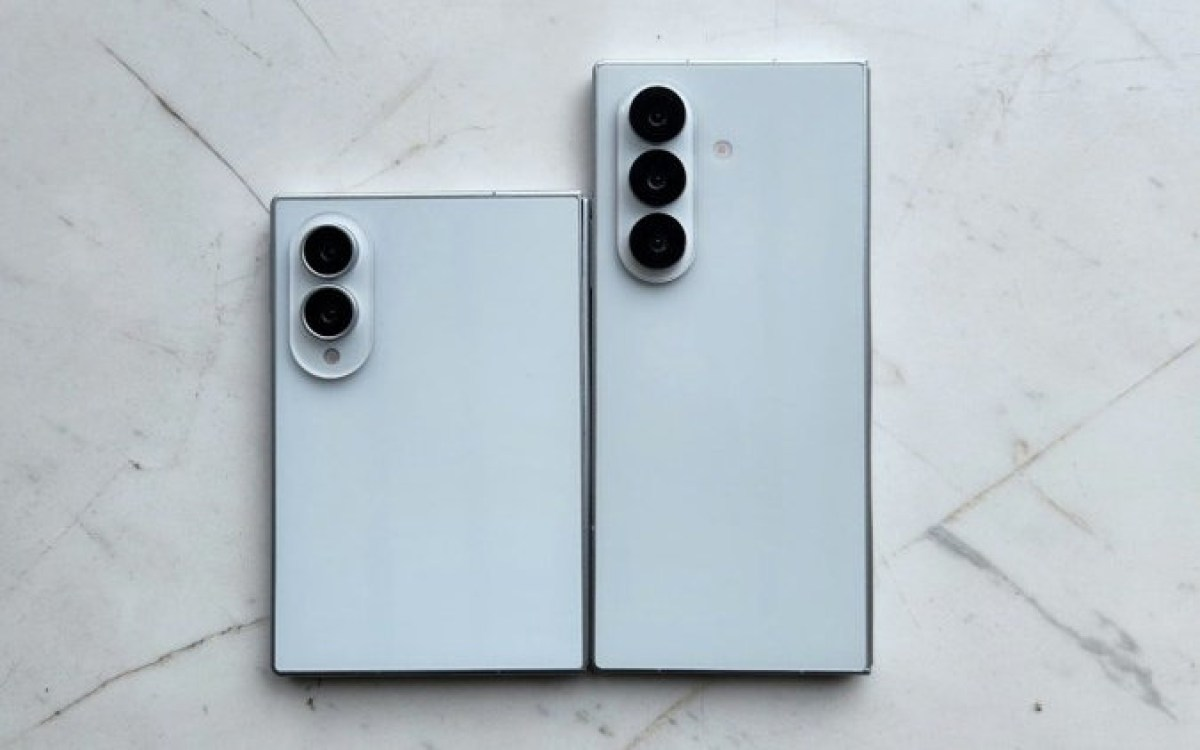
According to the latest regulatory leaks, Samsung’s upcoming next-generation foldable smartphones are poised to deliver a massive leap in battery endurance. Official listings from the European Product Registry for Energy Labelling (EPREL) have revealed the certification details for the Galaxy Z Fold8 (previously rumored as the Galaxy Z Fold Wide) and its premium sibling, the Galaxy Z Fold8 Ultra (the direct successor to the Galaxy Z Fold7).
The data confirms a much-needed hardware upgrade that addresses one of the biggest pain points of large-screen foldable devices: battery life.
The Move to Next-Gen Silicon-Carbon (Si/C) Batteries
For years, manufacturers have struggled to fit large batteries inside slim, folding form factors. Rumors indicate that Samsung is finally overcoming this hurdle by adopting advanced Silicon-Carbon (Si/C) battery technology. This tech allows for higher energy density, meaning Samsung can pack significantly higher milliampere-hour (mAh) capacities into the same compressed internal space without increasing the phones’ overall thickness or weight.
EPREL Endurance Ratings: A 20% Performance Leap
While real-world endurance can only be verified once review units are put through rigorous testing, the official EU regulatory ratings provide a highly accurate benchmark of what users can expect.
The official EPREL breakdown reveals impressive longevity scores:
-
Samsung Galaxy Z Fold8: Features a 4,800 mAh battery and achieved an official endurance score of 49 hours and 10 minutes.
-
Samsung Galaxy Z Fold8 Ultra: Features a larger 5,000 mAh battery and recorded an endurance score of 51 hours flat.
To put these numbers into perspective, the previous generation Galaxy Z Fold7 was equipped with a smaller 4,400 mAh cell and only managed a rating of 40 hours and 28 minutes. When comparing the Ultra model to its predecessor, the new lineup yields a massive 20% improvement in battery endurance.