
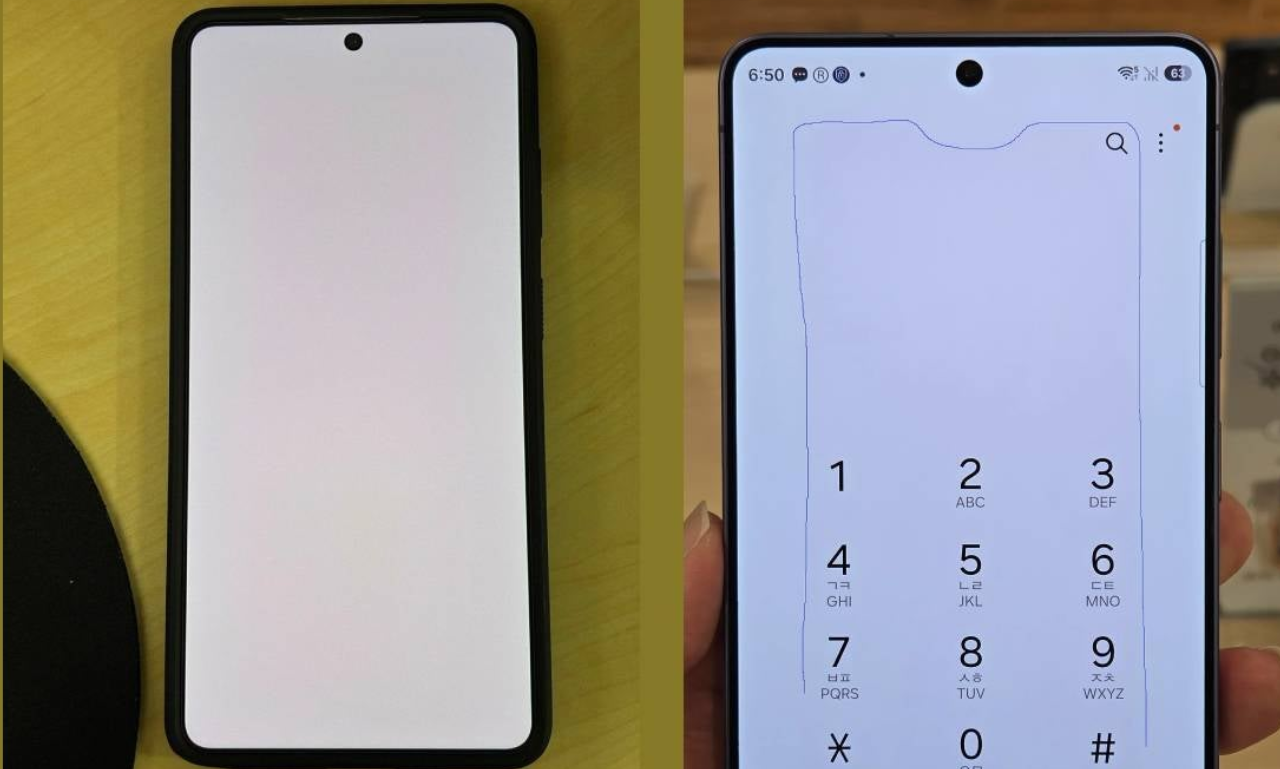
The launch of the Samsung Galaxy S26 Ultra generated massive hype in the tech world, particularly due to its groundbreaking “Privacy Display” technology. This feature was designed to offer ultimate on-screen security by restricting viewing angles—ensuring that your screen’s content is only visible when looked at directly from the front, preventing nearby nosey parkers from snooping.
However, early adopters of this premium flagship are now reporting persistent display anomalies that are putting a damper on the user experience.
The Rise of the “Red Tint” Phenomenon
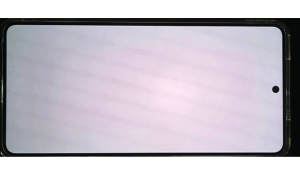
A growing number of Galaxy S26 Ultra owners are taking to platforms like Reddit to share a bizarre new issue: a noticeable reddish or rosy glow (tint) developing right in the center of their screens.
-
When does it occur? Affected users report that the display was absolutely flawless right out of the box. However, the red tint gradually began to manifest after two to three months of regular daily use.
-
Samsung’s reaction: The volume of complaints has risen to a level where Samsung has officially launched an internal investigation to look into the matter, according to South Korean news agency Newsway.
What is Triggering the Display Defect?
While the exact root cause has yet to be officially confirmed, tech experts and community discussions have highlighted a few strong possibilities:
-
The Privacy Display Tech: Since the S26 Ultra is the only model in Samsung’s lineup featuring this pixel-level, light-manipulating hardware to block side-angle viewing, it is highly suspected that this structural adjustment has compromised the screen’s color uniformity over time.
-
OLED Burn-in or Production Faults: The red hue could also stem from standard OLED burn-in or inherent manufacturing defects during the assembly line process.
-
Low PWM Dimming Rates: Even before the red tint appeared, some early buyers complained of severe eye strain, headaches, and nausea. Because these symptoms persisted even with the Privacy Display feature turned off, experts pointed to the phone’s low Pulse Width Modulation (PWM) dimming rate as the culprit.
How Will Samsung Handle the Backlash?
Because this red hue is almost certainly a hardware-level defect, it cannot be patched or resolved through a simple OTA software update. This leaves Samsung with two potential paths moving forward:
-
The Ideal Solution: If Samsung officially acknowledges this as a manufacturing defect, they may launch a free display repair program or offer device replacements for affected customers.
-
Avoiding Responsibility: On the flip side, Samsung’s official support documentation notes that minor color variations are normal, inherent characteristics of AMOLED panels. The company might simply shrug it off and advise users to manually tweak their white balance and color tones in the display settings.
The biggest worry for consumers is that this red tint might progressively worsen with time. Much like the notorious “green line” issues of the past, users fear they might ultimately be left with no choice but to simply tolerate a defective screen on a thousand-dollar device.