
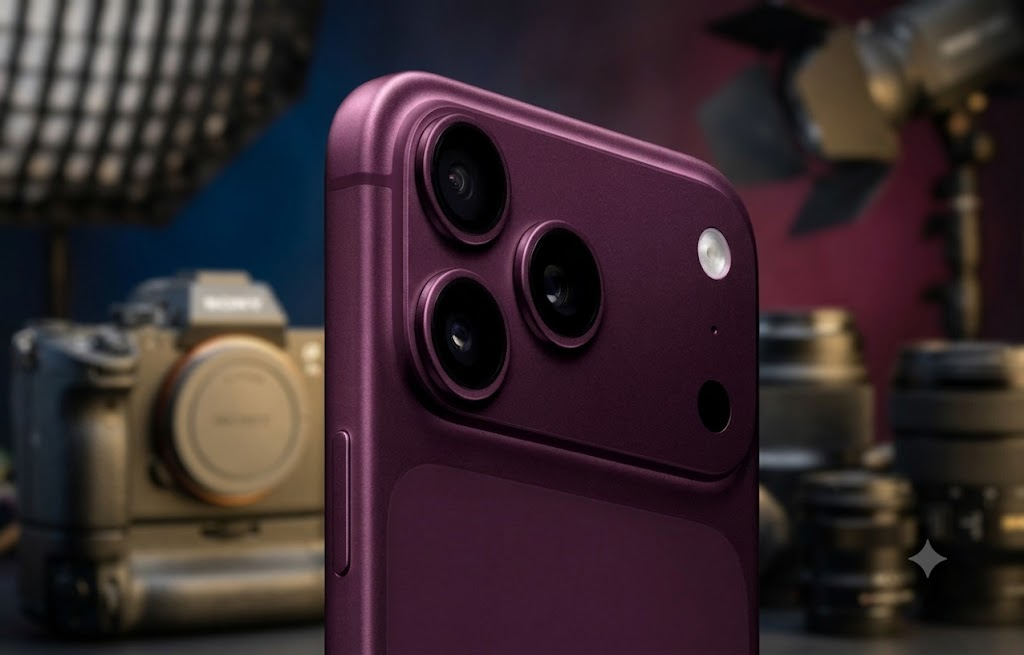
The upcoming autumn hardware event marks a revolutionary shifting of the guard for Apple, serving as the grand debut for incoming CEO John Turnus after he officially takes the helm on September 1, 2026. While the spotlight will undoubtedly shine on Apple’s first-ever foldable smartphone—the heavily rumored iPhone Ultra or iPhone Fold—industry analysts suggest that the true computational and practical powerhouse will remain the traditional flagship: the iPhone 18 Pro Max.
Through extensive internal refinement rather than a total visual overhaul, this device is engineered to outclass the foldable alternative across essential metrics like raw performance, battery endurance, thermal management, and camera technology.
Strategic Two-Phase Launch Plan
-
The High-End Autumn Showdown: Apple is shifting its market strategy by splitting its product releases into two distinct windows. The September 2026 event will be an exclusive premium showcase dedicated entirely to the iPhone 18 Pro, the iPhone 18 Pro Max, and the foldable iPhone Ultra.
-
Affordable Models Delayed: Budget-conscious consumers will have to wait longer, as the baseline iPhone 18, the iPhone 18e, and the newly anticipated iPhone Air 2 are slated for a separate rollout in early 2027.
Refined Exterior & Structural Changes
-
Sleek Glass Silhouette: Apple is retaining its signature flat edges and classic triple-lens rear camera layout, meaning the overall form factor will feel familiar. However, the dated two-tone back panel is being replaced by a highly premium, seamless glass finish.
-
Increased Substantiality: Supply chain data points to a heavier build, with the device weighing in at roughly 240g. This added thickness and weight are deliberate engineering choices to accommodate massive internal hardware upgrades.
-
Fresh Color Aesthetics: The marquee colorway for this generation is a deep, sophisticated “dark cherry” (a rich reddish-brown tone). This will sit alongside returning favorites including silver, light blue, and dark gray.
Next-Gen Display Innovation
-
Downsized Dynamic Island: While retaining a expansive 6.9-inch OLED footprint, the visible notch is shrinking dramatically. Apple has successfully relocated various Face ID hardware components directly underneath the active screen glass.
-
LTPO+ Efficiency: The panel introduces next-generation LTPO+ OLED technology, engineered to slash power consumption while maintaining flawless visual responsiveness.
The 2nm Silicon Breakthrough & AI Capabilities
-
TSMC 2nm Debut: The device will be driven by the groundbreaking A20 Pro chip, marking Apple’s historic transition to a 2nm manufacturing process. This architecture yields unparalleled computing speeds alongside immense power savings.
-
Localized Intelligence: Combined with the upcoming iOS 27 ecosystem, the 2nm architecture provides the massive computational muscle required to process complex, on-device AI operations locally, while easily driving graphics-heavy gaming titles.
Unparalleled Battery Life & Thermal Management
-
Massive Fuel Tank: To handle heavier processing, the phone features a massive battery capacity ranging between 5,391mAh and 5,567mAh (expected to be marketed as a 5,500mAh cell).
-
The Foldable Advantage: Because foldable phones like the iPhone Ultra face strict spatial constraints that limit battery size, the combination of the A20 Pro chip, LTPO+ display, and a 5,500mAh cell positions the Pro Max to deliver the longest battery endurance in iPhone history.
-
Vapor Chamber Dissipation: To sustain high workloads without thermal throttling, a state-of-the-art vapor chamber cooling setup has been integrated internally to dissipate heat effectively.
Revolutionary Camera & Wireless Upgrades
-
Variable Aperture Lens: The primary rear camera is taking a massive leap forward by introducing a variable aperture lens, giving photographers hardware-level control over depth of field and light intake.
-
Enhanced Optics: The imaging system is further bolstered by a much brighter telephoto sensor, a stacked image sensor configuration for rapid processing speeds, and a sharp 24MP front-facing selfie camera.
-
Proprietary C2 Modem: Cellular networking will be driven by Apple’s in-house C2 modem, built to deliver superior 5G data speeds, drastically lower power draws, and rock-solid network retention.
-
Advanced Satellite Communication: Moving beyond simple emergency SOS messaging, the new wireless hardware is built to support broader satellite communication features, allowing users to stay connected even when completely outside cellular coverage zones.
Market Pricing Projections
-
Premium Price Adjustment: Due to the inclusion of these elite structural and internal component upgrades, consumers should prepare for a global price hike. Early reports indicate a price bump of up to $200, which will be particularly noticeable on the high-capacity storage variants.